




Antique Locks & Keys
Antique Lock & Key Services in Fredericksburg, VA
Most locksmiths won’t touch antique lock hardware because the mechanisms differ from modern locks, the parts aren’t stocked at supply houses, and the job requires patience that a high-volume shop doesn’t have. If you have antique locks that need repair and need copies of the skeleton keys, but all the local locksmith shops tell you they can only replace them, you’ve come to the right place!
FXBG Keys LLC specializes in antique locks, skeleton keys, and vintage hardware throughout Fredericksburg, Spotsylvania, Stafford, Culpeper, and Thornburg, Virginia. We have the tools, equipment, and expertise to repair antique locks on doors, cedar chests, china cabinets, and more. We can also make copies of the skeleton keys so you always have spares.
Antique Mortise Lock Repair
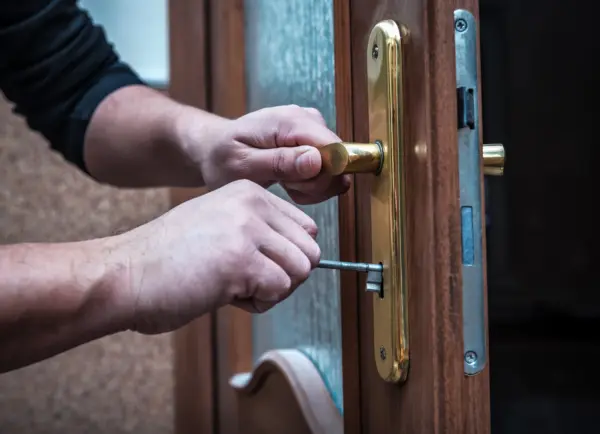
If you have an older home with vintage or antique mortise locks that use a skeleton key, we can handle all your lock repair and key duplication needs.
Mortise locks were standard in American homes from the late 19th through the early 20th century until they were replaced by tubular locks in the mid 20th century. A mortise lock is installed in a pocket cut into the edge of the door, rather than sitting on the door’s surface. That recessed installation is part of what makes old mortise hardware so durable, protected by the door around it. Most of these locks were built to last, and many are still in perfectly serviceable condition after a hundred years.
The most common problems we see in mortise locks include:
- Broken or weakened internal springs that no longer push the latch or deadbolt into position
- A worn spindle that causes the knob to turn without catching
- Sticky latches from rust or decades of grime inside the case
- Strike plate misalignment from the door settling over time
In most cases, these can be addressed without replacing the lock. We disassemble the lock body, clean and service the internal components, replace worn parts as needed, and reassemble it so it operates as it should. Our lock installation and repair work covers both modern and antique hardware.
Skeleton Key Replacement and Duplication
Skeleton keys, also called bit keys, don’t work on a pin tumbler system the way modern keys do. The key’s bit navigates a set of fixed wards inside the lock and moves the internal levers to retract the bolt. Duplicating an existing key or creating a replacement when all copies are lost requires matching the ward pattern of the specific lock, which means working from an original key when one exists or reading the lock directly when it doesn’t.
We can create replacements and make copies for several situations, including:
- You lost the last key to your bedroom or bathroom mortise lock and want to lock it for privacy.
- You bought an antique desk, trunk, china cabinet, or wardrobe at auction, and none of them had keys.
- The mortise lock on your home’s front door only has one key, and you want a few spares for safekeeping.
If you have the original key, that makes things much easier. Copying from an existing key is faster and more precise than reading the lock. But don’t worry! If the last key is long gone, we can “read” the lock’s internal locking mechanism and fabricate a new one, and make as many copies as you want.
Antique Padlocks
Antique padlocks turn up in a few different situations: inherited with a property, found on a shed or outbuilding, or acquired with a piece of furniture. Missing keys are the most frequent problem, followed by a shackle that won’t release because the mechanism has seized from rust or disuse. If the original key exists but the lock is stuck, getting it moving again is usually a matter of cleaning the interior and working the mechanism through its range of motion.
When no key exists, the approach depends on the padlock’s design. Simpler antique padlocks can often be opened and rekeyed. More complex ones with proprietary mechanisms may require more time or may not be serviceable at all without original parts. Call us with a description of your locks and the issues you’re experiencing, so we can ensure we have the necessary tools and equipment for your specific antique locks and keys. If you can email or text us some photos, that would be a huge help too!
Antique Furniture Locks

We can work on most types of locks and keys on vintage and antique writing desks (shown), dressers, china cabinets, cedar chests, and more.
Desks, trunks, jewelry boxes, and cabinets from the 19th and early 20th century almost always used the same lock type found in the interior doors of the same era. When a piece arrives without keys, the lock usually still works fine. It just needs a key cut to match. We remove the lock from the piece, read the lock, and cut a key that operates it cleanly.
Furniture locks that are jammed or seized can often be cleaned and adjusted on the same visit. The mechanisms are typically simpler than full door mortise sets, which makes them easier to take apart and work on. If a component is broken, we’ll be straight with you about whether a replacement part can be sourced or whether the lock has reached the end of what’s repairable.
FXBG Keys Keeps Old Hardware Working Throughout Fredericksburg
Original hardware adds character to a home that reproduction pieces can’t replicate, and replacing a mortise set with a modern deadbolt usually means cutting into original woodwork and leaving holes that are difficult to fill cleanly. Repair is almost always the better option when the lock is still structurally sound. FXBG Keys LLC is fully licensed and insured, serving homeowners throughout Fredericksburg, Spotsylvania, Stafford, Culpeper, and Thornburg. Contact us today for all your antique lock and key needs!
Antique Lock FAQs
Can you repair a mortise lock without replacing it?
In most cases, yes. Broken springs, worn spindles, sticky latches, and misaligned strike plates can all be addressed by servicing the lock body rather than replacing it. We only recommend replacement when the lock case itself is cracked or when a critical internal component can’t be sourced.
What's a skeleton key and how do you cut one?
A skeleton key operates by navigating fixed wards inside the lock rather than using a standard pin tumbler system. Cutting one requires matching the ward pattern of the specific lock. We copy an existing key when one is available, or read the lock directly when no original key exists.
My antique lock turns but the latch doesn't move. What's wrong?
This usually means either the spindle connecting the knob to the latch mechanism is worn or broken, or an internal lever that transfers the knob’s rotation to the latch has failed. Both are serviceable issues in most mortise locks. We open the lock body to pinpoint the cause and address it directly rather than guessing from the outside.
Can you open an antique padlock without the key?
It depends on the padlock’s design and condition. Many older ward-based padlocks can be opened non-destructively, which is always the approach we try first. If the padlock is severely corroded or uses a more complex mechanism, opening it may require more involved work. Call us with a description of the padlock and we’ll give you an honest read on what’s likely possible.
What should I have ready when I call?
A brief description of what you have, the type of piece, its approximate age if you know it, and whether you have any keys. A photo is helpful for furniture locks and padlocks where designs vary widely. For door mortise locks, the brand name is sometimes stamped on the faceplate, which speeds up our assessment.